Published January 12, 2026
Triangle Real Estate: Top Five Trends in 2026


Triangle Real Estate: Top Five Trends in 2026
The headlines may feel noisy, but the data tells a different story.
As we move into 2026, the Triangle real estate market is no longer in a period of reset. It has transitioned into something more durable: normalization. While other metros faced sharper corrections tied to insurance volatility or over-speculation, Raleigh-Durham quietly recalibrated.
To understand where the market is headed, it’s important to start with what actually happened in 2025.
What Happened in 2025: A Market That Rebalanced, Not Broke
2025 was a year of adjustment across the Triangle. Activity slowed, urgency faded, and expectations reset — but the market never lost its footing.
According to Triangle MLS year-end data, average days on market increased to 50 days, a 28.2% year-over-year rise, reflecting a clear shift away from pandemic-era speed. Buyers took more time. Sellers adjusted strategy. Negotiations normalized.
At the same time, pricing held remarkably steady. The average sales price finished the year at $476,254, up 0.3% year-over-year. Growth flattened, but values did not retreat.
Inventory rebuilt meaningfully, with supply indicators increasing 21.9% to 9,622, restoring choice and balance to the market. As expected in a normalization cycle, the sale price-to-list price ratio settled at 95.3%, down 1.4%, signaling healthier, more rational negotiations.
Perhaps most telling was seller behavior. Delistings rose in 2025, peaking around 5.5% — not because of distress, but because sellers with strong equity positions chose patience over price cuts.
The takeaway from 2025 is clear: this was a recalibration, not a correction.
From Reset to Normalization
Entering 2026, mortgage rates have stabilized in the low-6% range, and inventory continues to rebuild gradually rather than flooding the market. The emotional “fear of the pivot” that dominated prior years has largely passed.
The result is a market that rewards preparation and discipline rather than speed.
Buyers have more time to evaluate value. Sellers must price and position thoughtfully. Neither side is being forced into decisions by volatility — and that stability sets the foundation for the year ahead.
The Five Trends Defining 2026
1. The Measured Thaw
Inventory is increasing, but pricing remains stable. This is not a surge and not a freeze — it’s a controlled thaw. Mortgage rates in the low-6% range have cooled urgency without sidelining demand, creating the healthiest balance the market has seen in years.
2. Seller Patience Is Setting the Floor
Triangle homeowners remain largely high-equity and low-debt. When expectations aren’t met, sellers are choosing to delist rather than fire-sell. This patience has been a critical factor in maintaining pricing floors and reinforces the region’s price resilience, especially for clients relocating equity from higher-priced coastal markets.
3. Alignment Over Acceleration
Demand in 2026 is being driven by life events, not speculation. Career-driven relocations tied to tech and biotech, family expansion, downsizing, and hybrid-work flexibility continue to define transaction volume.
Moves are intentional, not emotional.
Stability is the new strategy.
4. A Return to Norms
Nationally, existing-home sales dipped into the ~4.0 million range in 2025, but forecasts for 2026 point toward a return to long-term historical averages. The Triangle is tracking ahead of the national curve.
With pandemic volatility behind us, the “wait-and-see” phase of 2025 has transitioned into active, disciplined planning — particularly valuable for cross-state relocations and complex timing scenarios.
5. The Wellness Home
Buyer priorities continue to evolve. Homes outperforming in this cycle are those that support quality of life and long-term functionality, including:
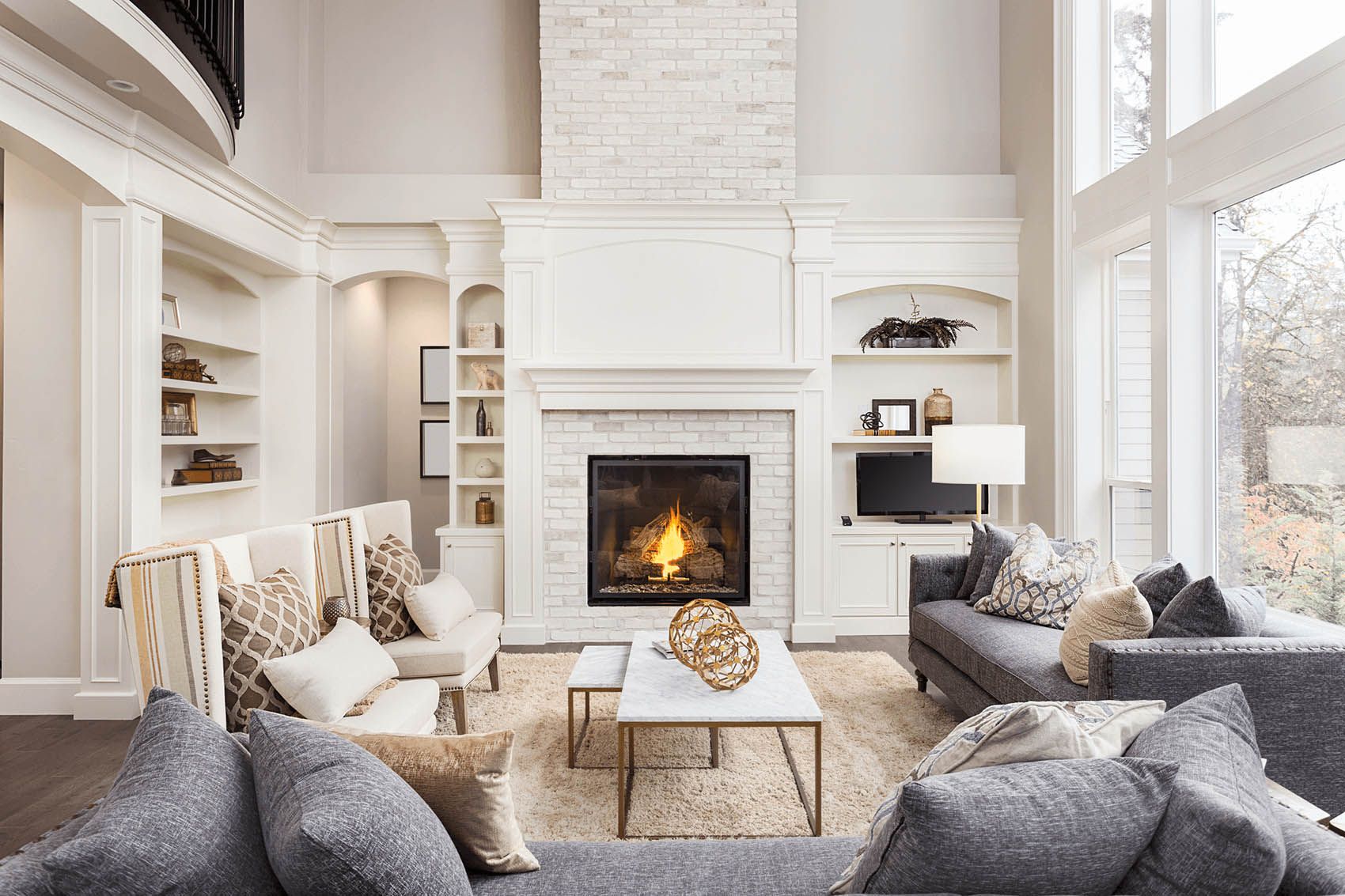
- Natural light and thoughtful design
- Home gyms and recovery spaces
- Cold plunges and wellness-forward features
- ADUs and flexible layouts for multi-generational living
The traditional one-size-fits-all suburban model is giving way to homes designed for longevity and adaptability.
What the Data Does Not Suggest
Despite national narratives, Triangle-specific data does not support:
- Widespread seller distress
- Forced price compression
- A sudden market crash
- Pandemic-style bidding wars
- Speculation-driven demand
Normalization favors discipline — not extremes.
Why the Triangle in 2026?
One of the most telling indicators this year is an absence. Major aggregators, including Homes.com, did not list Raleigh-Durham as a market at risk for overheating or sharp cooling.
We avoided the overheat — which means we’re avoiding the crash.
In a normalization cycle, stability matters. Resilient pricing, durable demand, and long-term growth fundamentals continue to position the Triangle as one of the most well-balanced markets in the country.
Thinking About a Move in 2026?
Strategy matters more than ever.
Macro trends set the tone, but outcomes remain hyper-local. Whether you’re buying, selling, or relocating, understanding how these dynamics apply to your specific neighborhood is key.
If you’re considering a move in 2026, let’s connect and look at what the data says for your market — clearly, calmly, and with long-term alignment in mind.